Chicago rewards hustle. You can hop the Blue Line, borrow a Divvy, or steer a compact car through a canyon of delivery vans on Lake, then angle into a back alley spot behind a walk-up. That fluid routine has a direct effect on your car insurance bill. The right choices let you carry strong protection without paying for fluff. The wrong ones quietly drain a few hundred dollars a year, every year.
After a decade helping clients across the North Side, the South Loop, and the near suburbs, I’ve learned what actually moves the premium needle here, and what simply sounds clever. This guide focuses on strategies that fit how young professionals in Chicago really live, from leased crossovers in West Loop garages to hand-me-down sedans parked on the street in Pilsen.
The Chicago context that shapes your rate
Insurers slice the city into rating territories by ZIP code. They study loss data street by street: frequency of crashes, theft, vandalism, and the average cost to fix a car. A sedan garaged in Edison Park does not look the same to an underwriter as the same sedan parked overnight in River West. The difference shows up in comprehensive and collision pricing first, then in bodily injury and property damage liability.
Traffic density factors in. If your commute takes you down the Kennedy or Eisenhower at rush hour, your exposure is higher than someone biking to a coworking space three days a week and driving only on weekends. Winter adds frequency. Light contact in slush, rear-enders in January darkness at 5 p.m., pothole damage after freeze-thaw cycles, all push claim counts up. Street parking elevates risk of theft and break-ins, and some carriers quietly track catalytic converter theft clusters by block group.
Carriers also evaluate repair costs. Chicago-area labor rates, OEM parts pricing for common models, and the availability of ADAS calibration services after a windshield replacement all roll into collision pricing. If your car uses sensors behind the bumper or camera-based lane keeping, a minor tap can trigger a four-figure repair. That is why a safe-looking compact with lots of tech can still rate higher on collision than an older midsize without sensors.
What actually drives your premium in Illinois
Insurers in Illinois weigh several factors. A few of the big ones:
- Driving history. Speeding tickets, at-fault accidents, and major violations lift rates for three to five policy terms. Insurers price each event differently. A 10 mph over citation might add 5 to 12 percent with one company, while the same ticket bumps you 2 to 5 percent with a competitor. Credit-based insurance score. Illinois allows it. You will not see your FICO in a quote, but your insurance score, which blends credit attributes with other data, can shift the premium substantially. Keeping credit card balances low and paying on time matters here. Car type and safety tech. Not just sticker price, but parts cost, theft appeal, and how cars fare in real-world crashes. A Honda CR-V or Toyota Prius can rate higher on comprehensive because thieves target them for parts, even if they score well on safety. Territory and parking. A secured garage with cameras often lowers comprehensive, sometimes collision. Street parking in a higher-crime block raises those same coverages. Annual mileage and use. Commuting 15,000 miles costs more than weekend errands under 6,000. Gig use for food delivery or rideshare demands a different policy endorsement or even a commercial policy depending on the platform and carrier.
Illinois does not use a formal driver points system that shows up on your policy, but every insurer pulls your Motor Vehicle Record. They see moving violations, suspensions, and whether the state requires you to carry an SR‑22. If the Secretary of State makes you file an SR‑22 after a major violation or lapse in coverage, your pool of competitive carriers shrinks and the policy includes a filing service fee along with higher base rates.
Picking the right coverage for city living
Car insurance is a set of levers. You pull them to match your risk and budget. Start with liability. If you injure someone or damage property, liability covers the other party. Medical costs edge higher each year, and Chicago has enough dense traffic and expensive vehicles on the road that low limits are a gamble. For a young professional with modest assets but real future earnings, 100/300/100 is a practical floor: 100,000 bodily injury per person, 300,000 per accident, 100,000 property damage. Many clients move to 250/500/250 once they see the small price jump relative to the protection.
Uninsured and underinsured motorist coverage is not a luxury here. Despite enforcement, a meaningful slice of cars on the road are underinsured. If someone with a bare minimum policy runs a red light and you end up with a serious injury, UM/UIM pays you and your passengers. Match these limits to your liability whenever you can.
Medical payments helps with initial medical costs, often set between 2,500 and 10,000. If you carry robust health insurance with low deductibles, you might keep MedPay small. If your plan has a high deductible or you simply want a quick source of funds after an ambulance ride, choose higher.
Comprehensive and collision are about your car. Buy them if you cannot afford to replace or repair the vehicle on your own. A 7,000 to 12,000 market value sedan suggests keeping both, likely with a 500 or 1,000 deductible. If your car is worth under 5,000 and you have savings, you can consider dropping collision while keeping comprehensive, especially to protect against theft and weather.
The deductible is not just a number, it is behavior. A 1,000 deductible discourages small claims and keeps your loss history clean, which pays off at renewal. A 500 deductible costs a bit more each month but fits if you do not want to carry cash for surprise repairs. It comes down to your tolerance for out-of-pocket shocks. In Chicago, where minor parking scrapes happen, a higher deductible often proves smarter if you are willing to handle small fixes yourself.

The leased car in a downtown garage
Leasing a compact SUV in the West Loop or River North often triggers questions about extra coverage. Gap coverage is key. Many leases include it, but not all. If your lease lacks gap, add it to the policy for a few dollars a month. Without it, you could owe the difference between the car’s depreciated value and the remaining lease payments after a total loss. Consider OEM parts endorsements if available. They ensure your car is fixed with manufacturer parts instead of aftermarket, especially important for ADAS systems. If your building’s garage is well lit with cameras and attendants, tell your agent. The garaging detail can shave comprehensive rates.
Street-parked sedans and real risks
A 2015 Civic or Corolla parked on the street in Logan Square at night faces two common exposures: catalytic converter theft and hit-and-run damage. Comprehensive pays for the converter. Collision pays to fix hit-and-run damage unless your carrier specifically extends uninsured motorist property damage in your situation. In practice, hit-and-run repairs run 1,000 to 4,000 when a quarter panel or suspension gets clipped. A 1,000 deductible with some savings set aside makes sense. After a theft, claims that include police reports and photos move faster. Keep a phone record of your VIN and a couple of dashboard shots showing your odometer and any aftermarket gear, just in case there is a dispute about pre-loss condition.
Rideshare and delivery realities
Driving for a platform changes the insurance equation. Most personal policies exclude coverage during the time you are waiting for a fare, accepted a trip, or transporting a passenger. Carriers now sell endorsements that fill the gap, but not all endorsements cover every phase. Read the language or ask your Insurance agency to show you the coverage map: app off, app on waiting, en route, and passenger onboard. The platform typically provides a commercial policy that kicks in during parts of the trip, but your deductible under that policy can be high, and property coverage when you are just logged in but waiting may be thin without the right endorsement. Do not guess here. One missed detail can mean a denied claim.
Telematics programs in a city with hard brakes and short blocks
Usage-based insurance, the kind that measures how you drive using a mobile app or plug-in, can deliver strong savings when your patterns fit the algorithm. State Farm insurance offers Drive Safe & Save, Allstate has Drivewise, Progressive has Snapshot, and other carriers have their own. In the most generous cases, safe drivers see 10 to 30 percent reductions. The catch in Chicago is stop-and-go. Short blocks, frequent lights, and aggressive cab traffic produce hard brake events by default. Night driving after midnight also counts against you with some carriers.
Before you join a telematics program, ask your agent to explain how your typical week translates into a score. If you work in hospitality and leave after 1 a.m., the night-driving penalty might erase most of the discount. If you primarily work from home and take weekend trips, you can harvest real savings. One more nuance, some programs can increase your rate at renewal if your driving pattern flags as risky, while others only apply discounts. If you want only upside, pick the latter.
Discounts that actually matter
Bundling works. Pairing auto with a renters policy in Chicago often trims 5 to 15 percent off your Car insurance, and renters itself runs 12 to 25 dollars a month for most young professionals, depending on your zip and coverage. Multi-car discounts help if you and a partner share an address. Pay-in-full nets another 5 percent or so. Employer or alumni affiliations vary widely, from nothing to a few percentage points. Anti-theft devices can help on comprehensive if the carrier recognizes them. Sharing proof of a secure garage with controlled access beats a vague note about “indoor parking.”
Good student discounts disappear after graduation, but maintaining a clean record for three years often moves you into a preferred tier. As your insurance score improves with steady bill pay and established credit, you will see additional quiet reductions.
The local advantage: agent or online only
Comparing quotes online is useful, but Chicago rewards local knowledge. A seasoned Insurance agency chicago team knows which carriers price Wicker Park street parking more gently, and which insist on photos for every older model. Talking to a State Farm agent, for example, helps if you want a State Farm quote paired with renters, life, or a future umbrella. Captive agents, like a State Farm agent, sell for one company and can go deep on that carrier’s endorsements and claims workflow. Independent agencies shop multiple companies and can place you based on your risk profile, especially helpful if you need an SR‑22 or have a complicated mix of garaging addresses, roommates, or gig use.
If you start with a search like Insurance agency near me, call two or three options and have the same information ready for each. Ask how they will support you during a claim and whether they have body shop relationships nearby. Five minutes on the phone tells you whether you are getting a quote mill or a partner. When an accident happens at 11 p.m. on Western, the ability to text your agent and get clear next steps matters more than saving eight dollars every month.
What to have ready before you request quotes
- Driver license numbers and dates first licensed for all drivers in the household Vehicle identification number for each car and how it is parked overnight Annual mileage and commute pattern by driver Current policy declarations page with all coverage limits and deductibles Any tickets or accidents in the past five years with dates and brief details
This keeps the quotes apples to apples. If a carrier spits out a low premium but with 25/50/25 liability and no uninsured motorist, that is not a deal, it is a trap.
How to compare quotes without getting lost
Use your current declarations page as a baseline. Match liability, UM/UIM, comprehensive and collision deductibles, rental reimbursement, and roadside assistance across quotes. If one carrier offers new car replacement or OEM parts endorsements, note it and ask what the equivalent looks like at the next company. Look at medical payments, especially if your health insurance has a high deductible. Separate the monthly price from the one-time fees. Some companies spread fees over the term, others bill them upfront.
When you evaluate a State Farm quote against an independent agency’s offer from two other carriers, ask about renewal stability and claim timeliness. A policy that is cheap for six months but jumps 25 percent at renewal because the carrier closes a discount is not a win. In Illinois, you can switch mid term with prorated refunds. Use that flexibility if a better fit emerges.
Claim math for small and medium hits
If you back into a pole and crack a taillight and bumper cover, the body shop could estimate 1,600 to 2,200 for a modern compact with parking sensors. With a 1,000 deductible, your claim nets 600 to 1,200. If this is your only claim in the past three years and you plan to keep the policy, you might run it and accept a moderate surcharge for one term. If you already have a recent speeding ticket and a comprehensive claim, consider paying out of pocket to avoid stacking surcharges.
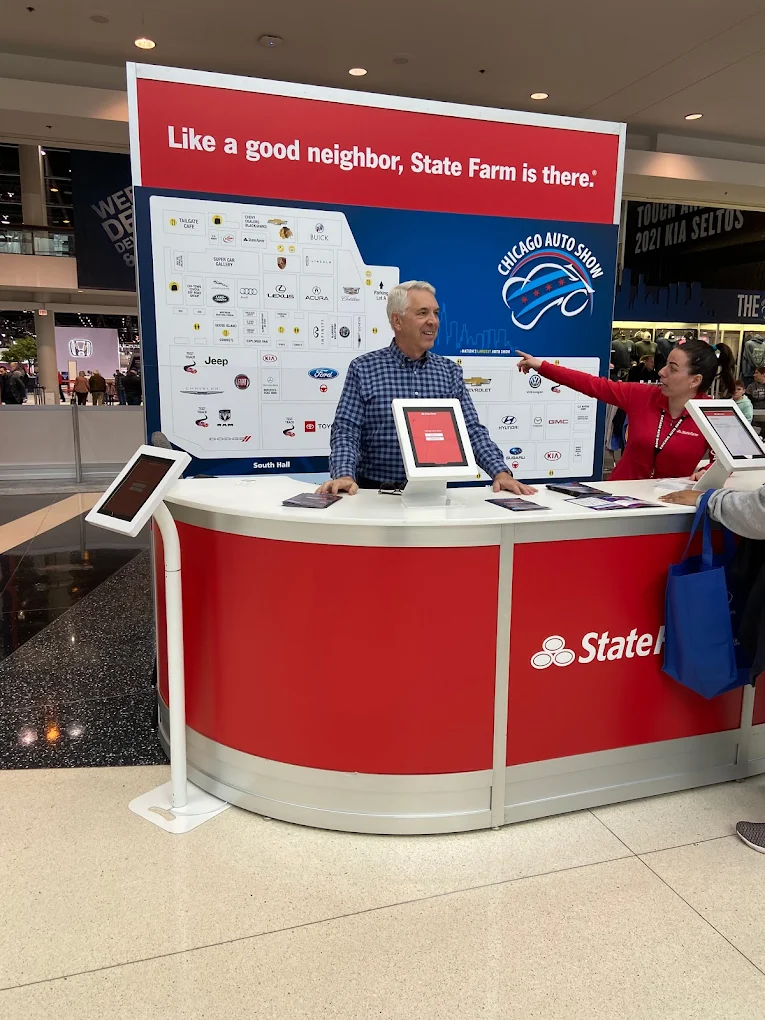

A more painful example, a hit-and-run creases your rear door and quarter panel. The bill lands at 3,800. Now, even with a 1,000 deductible, it is rational to use the policy. Take photos, file a police report, and call your agent. Ask if your carrier offers accident forgiveness and whether it applies to this type of loss. Also ask about OEM parts and calibrations for sensors. If your carrier only pays for aftermarket, you may want to pay the difference for OEM parts to preserve safety features. Document that choice for future buyers.
When it can make sense to avoid filing a claim
- The repair cost is close to or below your deductible You can fix cosmetic damage for less than the likely surcharge over the next term The loss involves only your vehicle and no injuries or third parties You already have a recent at-fault claim and want to avoid stacking surcharges The damage is to aftermarket accessories you can remove or replace cheaply
Never skip a claim when someone else is involved, there are injuries, or there is any dispute about fault. Report those immediately to protect yourself.
Parking, theft, and the quiet habits that pay
Small habits shave risk. Park under lights, near cameras, and with your wheels turned toward the curb to complicate towing theft. Do not keep registration with your home address in the glove box without blacking out the address on a copy. For cars targeted for converter theft, a simple shield and professional welds deter drive-by crews. Steering wheel locks are unfashionable but effective. Carriers see fewer theft claims when visible deterrents are in place, even if they cannot always price the difference in advance.
Freeze-thaw and potholes eat tires and wheels here. Some carriers offer tire and wheel endorsements, but they come with limits. Weigh the cost against keeping an emergency fund for two new tires. If you drive a low-profile setup, the endorsement can be worth it. If you run all-seasons with taller sidewalls, cash savings may be smarter.
Special situations: roommates, moving, and part-time cars
Chicago leases often involve roommates and multiple cars at one address. Insurers ask to list everyone of driving age in the household, even if they do not drive your car. You can exclude a roommate by name if the carrier allows and if that roommate truly will not drive your car. Otherwise, the carrier will charge a rated driver cost. If you move from Bronzeville to Avondale, tell your Insurance agency as soon as you sign the new lease. The garaging zip affects the rate, and you want your policy aligned before a claim, not after.
If you only need a car for summer weekends, consider a usage-based policy or ask your agent whether your carrier tolerates seasonal mileage changes. Do not cancel outright unless you intend to store the car off the street. Lapses in coverage lead to higher rates when you return, and keeping comprehensive only on a stored car preserves theft and fire protection.
SR‑22 reality check
If you are required to carry an SR‑22 in Illinois, it is a filing the insurer sends to the state to prove you have minimum coverage. The filing itself is cheap, often under 25 dollars, but the violation that triggered it is not. Work with an Insurance agency that handles SR‑22 regularly. They know which carriers remain competitive and which ones to avoid for your profile. Keep the policy active for the full period the state requires. A missed payment that cancels the filing risks a license suspension and forces you to start the clock again.
Building toward an umbrella policy
As your assets and income grow, liability risk changes. A 250/500/250 auto policy may no longer feel comfortable if you own a condo, have investments, and host volunteers or clients in your home office. An umbrella policy adds an extra 1 million or more of liability on top of your auto and renters or condo policy for a few hundred dollars a year. Carriers will require certain minimum auto limits first. Plan one renewal ahead so you can raise your auto limits and bind the umbrella smoothly.
Three Chicago snapshots, and what they suggest
A 26-year-old analyst in Lakeview with a 2018 Civic EX, street parked, 8,000 miles a year, one minor ticket from 18 months ago. Aim for 100/300/100 or 250/500/250 liability, match UM/UIM, comprehensive with 500 or 1,000 deductible, collision at 1,000. Join a telematics program that only discounts, not one that can surcharge, and ask whether late-night penalties apply. Bundle renters for a clean 5 to 10 percent bump. Expect a meaningful improvement at renewal when the ticket ages past three years.
A 30-year-old designer in West Loop leasing a 2023 CX‑5, garaged with building security. Confirm the lease includes gap. Add OEM parts if available. Choose 250/500/250, match UM/UIM, and keep collision and comprehensive at 500 or 1,000. Skip telematics if most of your trips happen after midnight. Consider a State Farm quote if you already carry other State Farm insurance and want an integrated setup with a State Farm agent who can talk through renters, valuables, and an eventual condo policy.
A 24-year-old grad student in Pilsen sharing a two-flat and mostly riding the Pink Line, driving a 2013 Corolla, under 4,000 miles a year. Keep liability at 100/300/100, match UM/UIM, carry comprehensive at 500 or 1,000 for theft and weather, weigh dropping collision if the car’s value is under 5,000 and you have a small emergency fund. Tell your Insurance agency about the low miles. That single detail often produces a quiet discount.
How to work productively with an agent
Treat your agent like you would a tax pro. Share context. If a promotion will move you to a new building with different parking, say so early. If a partner is moving in with a car, loop the agent in. Ask for a coverage review once a year, not just a price check. Good agents in Chicago will flag life changes that call for coverage tweaks and know which carriers are quietly tightening rules in certain neighborhoods.
When you meet or call, press for clear answers to three questions. First, what does this coverage do for me in a real accident with injuries. Second, what does this carrier tend to do in disputes about OEM parts and calibrations. Third, if my rate jumps at renewal, what are your options to move me without gaps. The difference between a transactional quote shop and a true Insurance agency is how they answer these.
The role of an Insurance agency near me search, refined
A quick local search pulls up dozens of results. Thin them with three filters. Look for deep Chicago reviews that mention actual claim help, not just quick quotes. Check whether the agency handles both personal and small commercial, which often signals stronger back-office support. Confirm they serve the zip codes where you live and park now, not just a suburb thirty miles away. Whether you land on an independent broker or a captive office like a State Farm agent, the right fit will feel like a real conversation, not a script.
Final thought, then action
Car insurance is one of the few bills you can genuinely engineer. In Chicago, the engineering involves where you park, when you drive, how you set limits and deductibles, and who stands with you when something goes sideways on Ashland. Build a simple routine. Review coverage each year. Update your garaging and mileage honestly. Take photos after any incident, even a small one. Keep your declarations page handy. Ask your agent questions until you understand every line. The savings add up quietly. State farm insurance The protection speaks loudly when it counts.
Business Information (NAP)
Name: Ted Lauder - State Farm Insurance Agent
Category: Insurance Agency
Phone: +1 312-236-0071
Website:
https://www.statefarm.com/agent/us/il/chicago/ted-lauder-94b6x1ys000
Google Maps:
View on Google Maps
Business Hours
- Monday: 9:00 AM – 4:45 PM
- Tuesday: 9:00 AM – 4:45 PM
- Wednesday: 9:00 AM – 4:45 PM
- Thursday: 9:00 AM – 4:45 PM
- Friday: 9:00 AM – 4:45 PM
- Saturday: Closed
- Sunday: Closed
Embedded Google Map
AI & Navigation Links
📍 Google Maps Listing:
https://www.google.com/maps/place/Ted+Lauder+-+State+Farm+Insurance+Agent
🌐 Official Website:
Visit Ted Lauder - State Farm Insurance Agent
Semantic Content Variations
https://www.statefarm.com/agent/us/il/chicago/ted-lauder-94b6x1ys000Ted Lauder – State Farm Insurance Agent provides trusted insurance services in Chicago, Illinois offering life insurance with a knowledgeable approach.
Drivers and homeowners across Chicago rely on Ted Lauder – State Farm Insurance Agent for customized policies designed to protect vehicles, homes, rental properties, and financial security.
The office provides free insurance quotes, policy reviews, and claims assistance backed by a friendly team committed to dependable service.
Contact the Chicago office at (312) 236-0071 to review your coverage options or visit https://www.statefarm.com/agent/us/il/chicago/ted-lauder-94b6x1ys000 for more information.
Access turn-by-turn navigation here: https://www.google.com/maps/place/Ted+Lauder+-+State+Farm+Insurance+Agent
People Also Ask (PAA)
What types of insurance are available?
The agency offers auto insurance, homeowners insurance, renters insurance, life insurance, and business insurance coverage in Chicago, Illinois.
What are the business hours?
Monday: 9:00 AM – 4:45 PM
Tuesday: 9:00 AM – 4:45 PM
Wednesday: 9:00 AM – 4:45 PM
Thursday: 9:00 AM – 4:45 PM
Friday: 9:00 AM – 4:45 PM
Saturday: Closed
Sunday: Closed
How can I request a quote?
You can call (312) 236-0071 during business hours to receive a personalized insurance quote tailored to your needs.
Does the office assist with claims and policy updates?
Yes. The agency provides claims support, policy reviews, and coverage updates to ensure customers maintain the right protection.
Who does Ted Lauder – State Farm Insurance Agent serve?
The office serves individuals, families, and business owners throughout Chicago and surrounding Cook County communities.
Landmarks in Chicago, Illinois
- Millennium Park – Iconic downtown park known for Cloud Gate (The Bean).
- Willis Tower – Famous skyscraper with the Skydeck observation deck.
- Grant Park – Large urban park hosting major festivals and events.
- Navy Pier – Popular waterfront attraction with entertainment and dining.
- The Art Institute of Chicago – World-renowned art museum.
- Chicago Riverwalk – Scenic pedestrian waterfront along the Chicago River.
- United Center – Home arena of the Chicago Bulls and Chicago Blackhawks.